
Tucked into the low green hills of Kediri in West Lombok, Banyumulek Pottery Village is the kind of place that turns a lump of grey river clay into something you will carry home in your suitcase. This is the largest pottery centre on the island, where the rhythmic slap of wet clay and the slow spin of hand-turned wheels have shaped daily life for generations. If you want to meet the Sasak people at work rather than pose for a photo, an hour here is worth ten at a busy beach.
We put this guide together after piecing our visit around the questions travellers actually ask: how to get there, what it costs, what makes the pottery special, and how to buy a piece that survives the flight. Here is everything you need to plan a genuine stop at Banyumulek.
Why Banyumulek Pottery Village Is Worth Visiting
Roughly eight in ten families in Banyumulek earn a living from clay, and the skill is passed down early, with children learning to coil and smooth long before they leave school. Unlike a showroom in a city mall, here you watch the whole chain in one courtyard: clay dug locally, shaped by hand, dried in the sun, and fired in simple open kilns fuelled by rice husks and wood. The result is warm, earthy earthenware known in Indonesian as gerabah that feels completely different from mass-produced ceramics.
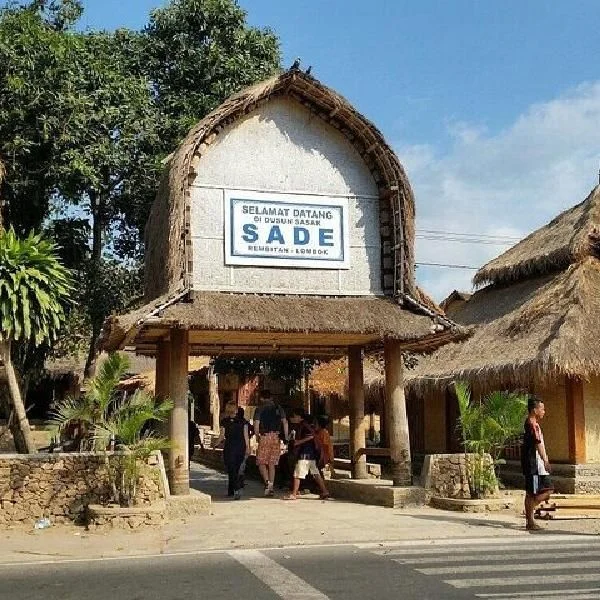
The village pairs naturally with the weaving traditions you will find nearby. Many travellers combine it with the songket looms of Sukarara Village and the thatched houses of Sade Village for a full day of Sasak craft and culture.
What to See and Do in Banyumulek
Banyumulek Pottery Village is small enough to explore on foot, and the potters are used to curious visitors. A few experiences stand out:
- Watch the wheel in action. Artisans shape water jugs, pots, and lamps entirely by hand, often without measuring anything, guided only by decades of muscle memory.
- Try throwing your own piece. Many workshops let visitors sit at the wheel and have a go, with a potter steadying your hands. It is messier and harder than it looks.
- Meet the famous “thief kettle.” The kendi maling is Banyumulek’s signature curiosity, a water vessel you fill from a hidden hole in the base, so it looks impossible to fill from the top.
- Browse the showrooms. Rows of decorative pots, vases, plates, and lamps line the main lane, many finished with woven rattan or shell inlay.
- See the firing area. If your timing is right, you can watch pieces being stacked and fired in the open, a process unchanged for generations.
How to Get to Banyumulek Pottery Village
Banyumulek sits about 14 kilometres south of Mataram, roughly a 20-minute drive from the city centre. From Senggigi allow around an hour, and from the Kuta and Selong Belanak beach areas in the south budget about 45 to 60 minutes by car or scooter. The easiest option for most visitors is a private driver or a rented scooter, which lets you combine the village with other stops. If you are working out how to get around the island, our guide to transportation options in South Lombok breaks down the choices, and the wider Lombok island overview helps you place it on the map.
Entrance Fee and Opening Hours
There is no official entrance fee to walk through Banyumulek Pottery Village and watch the potters at work, though a small tip or, better still, buying a piece is a kind way to support the artisans. The showrooms generally open from around 8:00 a.m. to 5:00 p.m. every day, and mornings are the best time to visit while the light is soft and the potters are most active. Many shops can arrange international shipping if you fall for something too large to pack.
Tips for Buying Pottery You Can Actually Take Home
Prices are refreshingly low, and gentle bargaining is expected, but keep it friendly, as these are working families rather than a tourist market. For delicate pieces, ask the seller to wrap them well, and choose thicker earthenware over very fine work if it has to survive checked luggage. If you want something meaningful and light, small painted bowls or a mini kendi travel far better than a tall vase. For more ideas on filling your itinerary around a stop like this, see our roundup of the best things to do in South Lombok and the wider list of top attractions in Lombok.
Banyumulek is officially recognised as part of Lombok’s craft heritage, and you can read more about Indonesian cultural villages on the national tourism site Wonderful Indonesia.
Frequently Asked Questions
Is there an entrance fee for Banyumulek Pottery Village?
No, entry to the village is free. There is no ticket to watch the potters, though buying a piece or leaving a small tip is a nice way to support the artisans.
How far is Banyumulek from Mataram?
It is about 14 kilometres from Mataram, roughly a 20-minute drive. From the southern beach towns it takes closer to 45 to 60 minutes by car or scooter.
Can I try making pottery myself?
Yes. Many workshops welcome visitors to sit at the wheel and try shaping clay with a potter’s guidance. It is a hands-on highlight, especially for families.
What is the best time to visit Banyumulek?
Mornings, between 8:00 a.m. and midday, are ideal for Banyumulek Pottery Village. The showrooms are open, the light is good for photos, and the potters are usually at their busiest.