Learn the payment methods in Lombok, how to pay (cash, card, QR), where to withdraw money, and how to exchange safely simple tips for travelers.
Lombok is easy once you know one thing: cash is still king, but cards and QR payments are growing fast. This guide shows you exactly what to use, where, and how to avoid the usual money headaches.
The currency in Lombok: Indonesian Rupiah (IDR)
The official currency is the Indonesian Rupiah in Indonesia.
- Currency code: IDR
- Symbol: Rp
- Banknotes you’ll see most: Rp 1,000 / 2,000 / 5,000 / 10,000 / 20,000 / 50,000 / 100,000
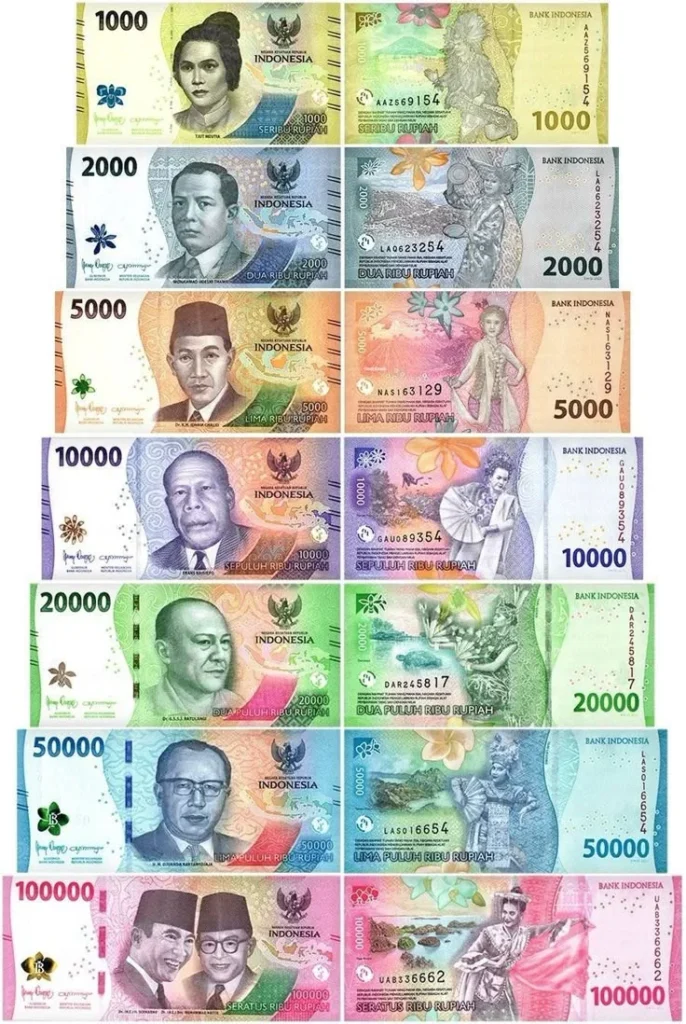
If you’re new to rupiah, a quick tip: prices look “big,” but it’s normal. When someone says “two hundred” (dua ratus), they usually mean Rp 200,000, not USD200.000
Want to check if a note is real? Bank Indonesia publishes official images and security details of rupiah notes.
What payment methods work best in Lombok?
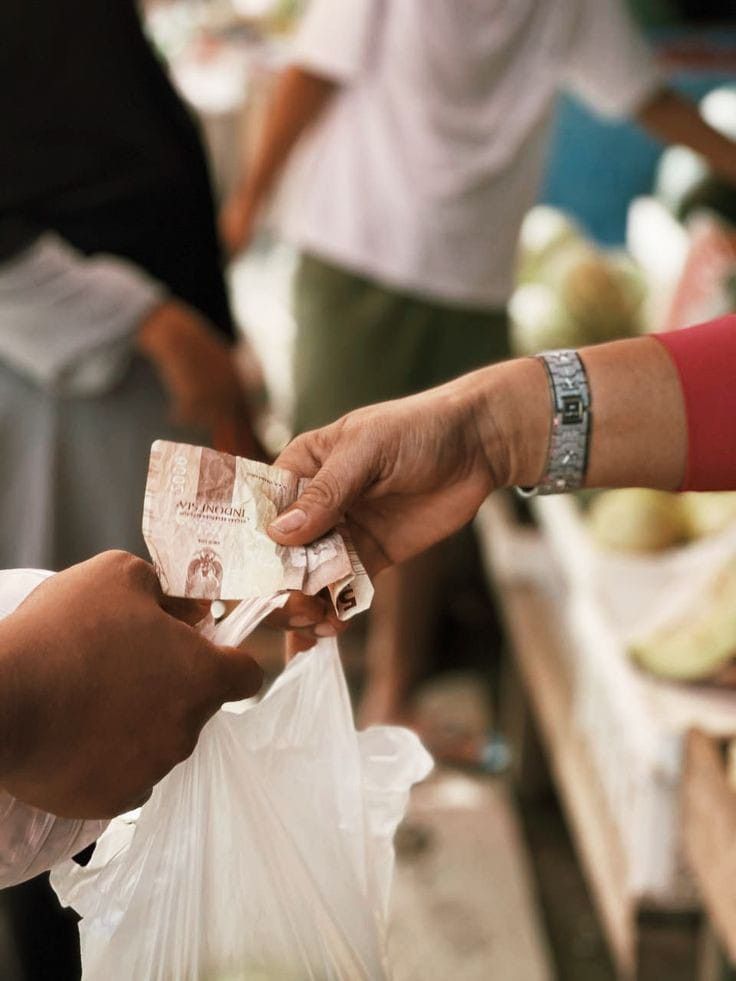
1) Cash (works everywhere)
Cash is the easiest option for:
- small warungs (local eateries)
- beach parking
- surfboard rentals
- tips, small donations, quick snacks
- remote areas where the signal is weak
What to carry:
- Mostly Rp 10k, 20k, 50k
- A little Rp 100k for bigger bills
This makes paying fast (and avoids the “no change” problem).
2) Card (good in tourist areas)
Most hotels, nicer restaurants, and bigger shops in places like Kuta, Senggigi, and Mataram accept cards—especially Visa and Mastercard.
But:
- Some places have a minimum spend for card payments.
- Some add a small card fee (you’ll usually see it on the bill or be told before you pay).
Card tip that saves money:
If the payment machine offers to charge you in your “home currency,” choose IDR instead. (That “helpful conversion” can be a worse exchange rate.)
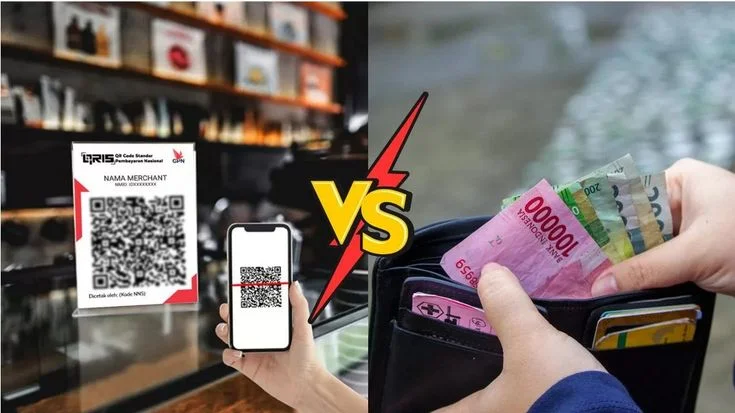
3) QR payments (very common): QRIS
You’ll see QR codes at cafés, restaurants, shops, even small vendors. This is usually QRIS, a national QR payment standard.
Bank Indonesia explains that QRIS is the QR payment code used in Indonesia, and payment providers offering QR payments are required to use it.
Important for tourists:
QRIS is super common, but using it depends on your payment app. Many visitors don’t have an Indonesian banking or e-wallet app set up, so QRIS is often “nice to have,” not “must have,” for short trips.
4) E-wallets (best for long stays)
If you’re staying longer, local e-wallets are handy for daily life (food delivery, rides, quick payments). The most common ones include:
- GoPay
- OVO
- DANA
- ShopeePay
- LinkAja
Getting cash in Lombok: ATMs, limits, and fees
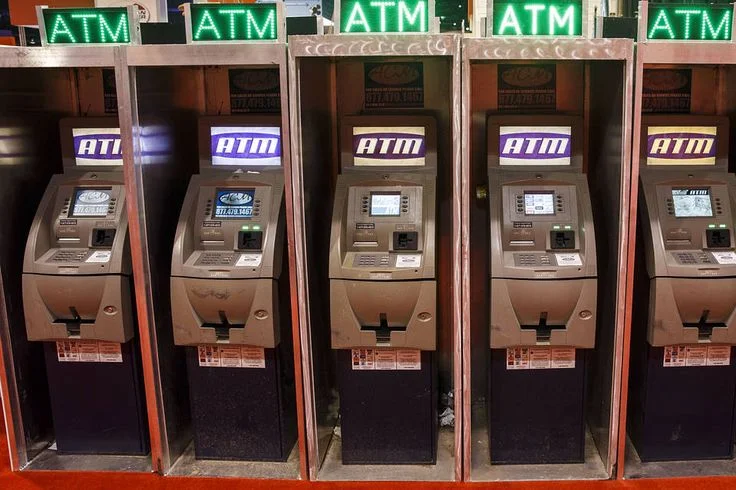
ATMs are common in town areas, but don’t assume you’ll find one right when you need it—especially on beach days.
What to expect at ATMs
- Some bank-owned ATMs may not charge an extra “access fee,” but it varies—always read the ATM screen before confirming.
- Some ATMs may charge a local fee for foreign cards (often shown clearly before you accept). One travel guide notes local ATM fees can range in the tens of thousands of rupiah.
Smart ATM habits
- Withdraw during the day, not late at night.
- Prefer ATMs attached to a bank branch or in a well-lit area.
- Cover the keypad. Don’t let anyone “help” you with your PIN.
- Keep a backup card in your luggage (not in your wallet).
Best “arrival move”
If you land and plan to drive straight to beaches or remote stays:
withdraw enough cash early so you’re not hunting for an ATM later.
Exchanging money safely
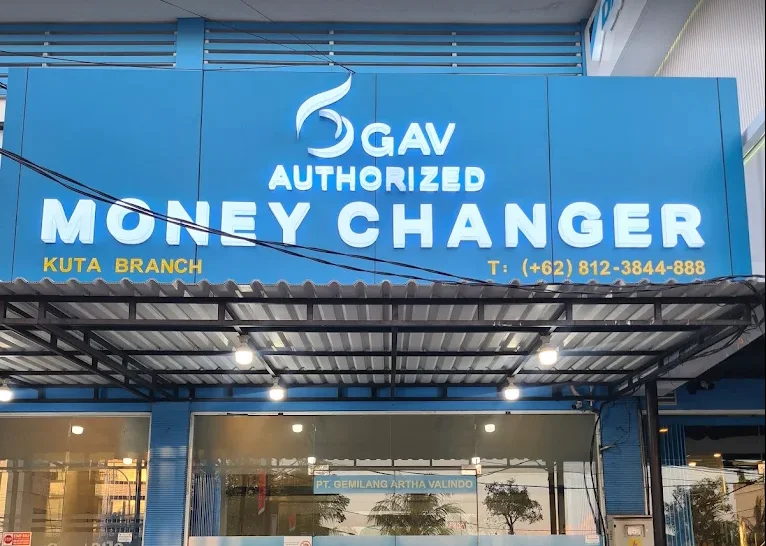
If you need to exchange cash, do it the safe way.
Use licensed money changers (KUPVA BB)
In Indonesia, licensed non-bank money changers are known as KUPVA BB, and they must be licensed by Bank Indonesia.
Bank Indonesia also educates the public to use licensed money changers (KUPVA BB) to avoid illegal operators.
Quick checklist: signs of a legit money changer
A licensed money changer should visibly show things like:
- proof of license / certificate
- official “authorized” signage and branding (rules require licensed operators to display official licensing markers)
Simple safety rules
- Count your money slowly before you leave the counter.
- Avoid “street exchange” offers.
- If the rate looks too good, it’s usually a trick.
The “what should I carry?” checklist
Here’s the simple setup that works for most people:
- Cash: Rp 300k–800k in mixed small notes (more if you’re doing beach hopping)
- 1 main card + 1 backup card
- A screenshot of your card hotline number (in case of a block)
- Optional: a travel money app like Wise if you like tracking exchange rates and spending
Common payment surprises in Lombok (and how to avoid them)
“No change”
It happens a lot with Rp 100k notes.
- Solution: keep Rp 10k/20k notes for parking, coconuts, warungs.
“Card machine is down”
Signal and power can be patchy.
- Solution: always keep enough cash for a full meal + ride home.
“This place only takes Cash”
It happens in some modern cafés.
- Solution: have cash as backup (or ask before ordering).
“The ATM ate my card”
Rare, but real.
- Solution: withdraw earlier in the day and stick to reputable ATMs.
Quick real-life scenarios
If you’re staying in Kuta and doing day trips
- Pay with card at restaurants and hotels.
- Bring cash for parking, small shops, beach extras.
If you’re going to remote beaches or viewpoints
- Assume: cash only.
- Bring enough for the whole day (food + drinks + parking + rentals).
If you’re staying long-term
- Consider setting up a local e-wallet for daily convenience.
- You’ll also find QRIS in many places, even small ones.
FAQ: Currency and payment methods in Lombok
What currency do I use in Lombok?
Indonesian Rupiah (IDR), symbol Rp.
Should I bring cash to Lombok?
Yes. Cash is still needed for many local places, beach parking, rentals, and smaller warungs.
Do restaurants in Lombok accept credit cards?
Many do in tourist areas, especially nicer spots. But always keep cash as backup.
Can tourists use QRIS?
QRIS is not in everywhere, but whether you can use it depends on your app. It’s a standard introduced by Bank Indonesia for QR payments.
Where should I exchange money safely?
Use licensed money changers (KUPVA BB) or banks. Licensed KUPVA BB operators are regulated and must be licensed by Bank Indonesia.
Final Thoughts
In Lombok, cash is still essential, even as card and QR payments become more common. Cash works everywhere—from beach parking and warungs to remote viewpoints—while cards are best for hotels and established restaurants.
The smart approach is to stay flexible. Carry small rupiah notes, keep a card as backup, and plan your cash withdrawals before beach days or trips outside town. With a bit of preparation, payments in Lombok stay simple, so you can focus on enjoying the island.