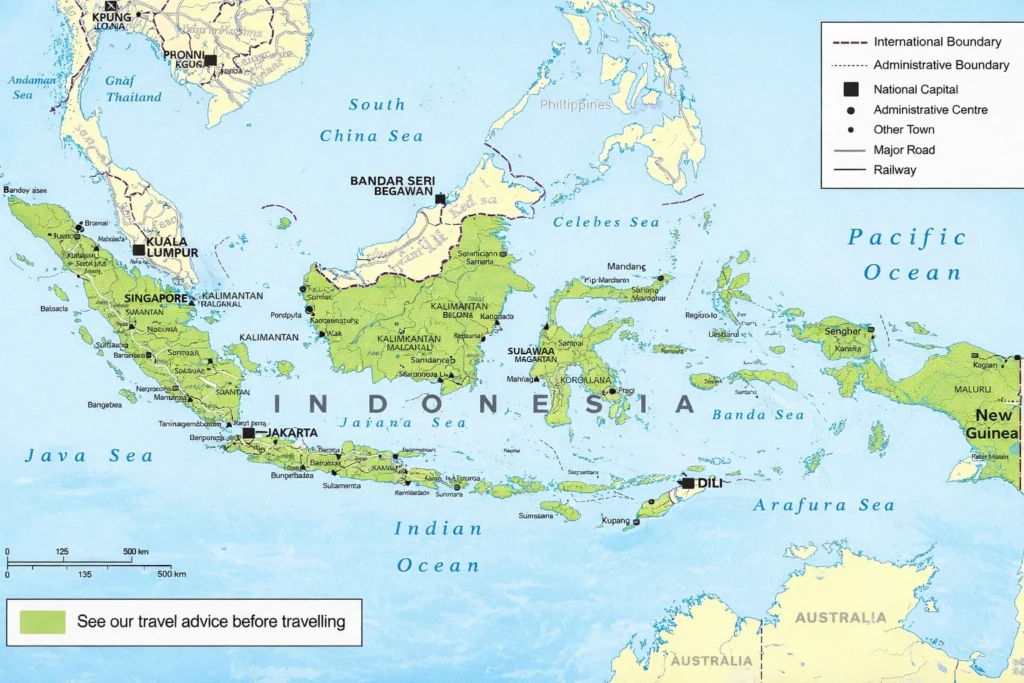
South Lombok is famous for its beaches. But what makes it feel different is the culture behind the coastline.
You’ll hear it in the drums during a wedding parade. You’ll see it in handwoven cloth that takes days (sometimes weeks) to finish. You’ll feel it in the way villages still protect traditions while tourism grows fast around Kuta and Mandalika.
This guide explains South Lombok’s history and culture in a simple, useful way.
- The Sasak people are Lombok’s main indigenous ethnic group.
- Lombok was under Balinese political domination for long periods before the Dutch took direct control after the 1894 intervention.
- Bau Nyale is a major South Lombok cultural festival tied to the Mandalika legend and held around Seger Beach / Kuta Mandalika (dates vary by year).
- The Mandalika area is a Tourism Special Economic Zone (SEZ) established by Government Regulation No. 52 of 2014, shaping modern development in South Lombok.
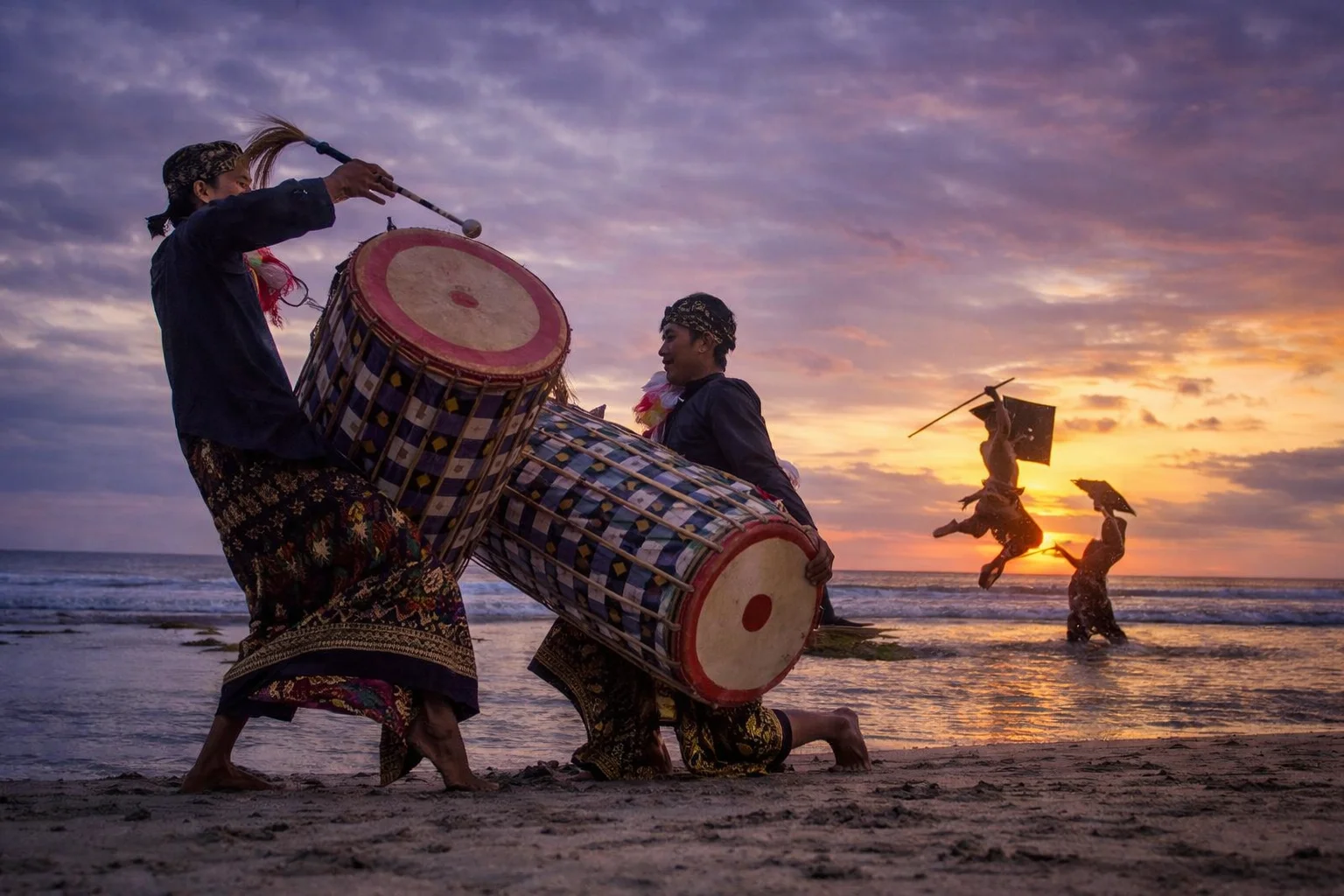
- Signature cultural expressions include Gendang Beleq (grand drumming), Peresean (stick fighting performance art), and weaving traditions in villages like Sade and Sukarara.
Where “South Lombok” fits in Lombok’s story
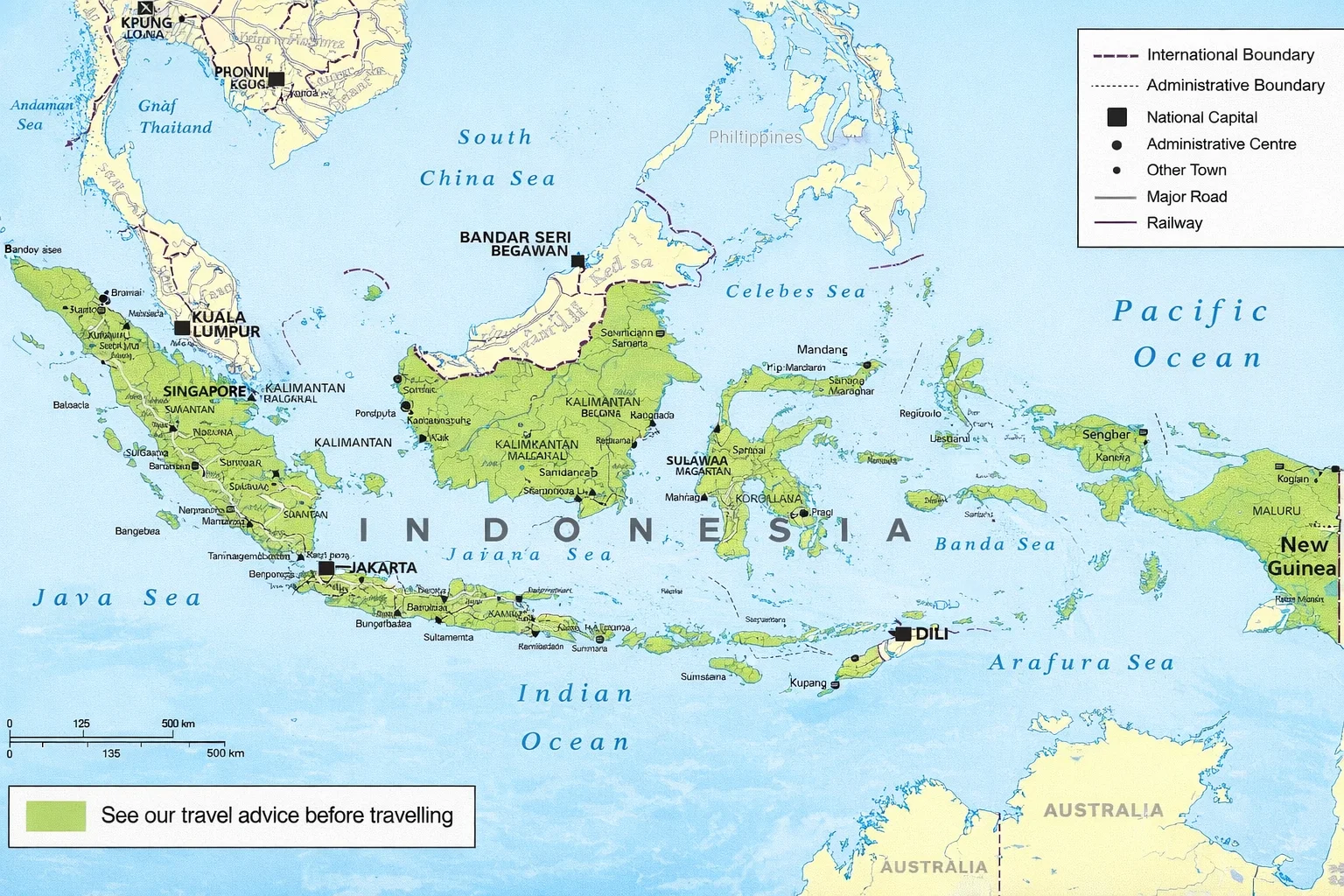
When people say “South Lombok,” they usually mean the stretch from Kuta Mandalika to bays like Selong Belanak, and east toward Gerupuk and beyond.
Historically, South Lombok was made up of rural communities, farming areas, fishing villages, and traditional settlements. That older rhythm is still here just now sitting next to modern tourism.
The big change in recent years is Mandalika: a tourism zone designed to accelerate investment, infrastructure, and global visibility.
A quick history of Lombok (without the boring bits)
1) Sasak roots
The Sasak are Lombok’s original inhabitants and remain the island’s majority group.
In daily life, this shows up as:
- community-based traditions (adat)
- ceremonies tied to life milestones (birth, marriage, harvest)
- arts that are performed for real events, not just “shows”
2) Balinese rule and influence
Britannica notes that Lombok was under Balinese control for significant periods before Dutch intervention ended Balinese rule in the late 1800s.
What that means today (in simple terms):
- You still see layers of influence in music, performance, and power history.
- Lombok’s culture is not “one thing.” It has mixed threads.
3) Dutch intervention (1894) and direct colonial rule
Britannica describes Dutch intervention tied to conflict and the end of Balinese rule in Lombok around 1894, followed by direct Dutch control.
This period matters because it reshaped governance, land control, and political systems—things that still echo in how communities relate to authority and land today.
4) Modern era: tourism becomes the headline
South Lombok’s newest cultural shift is tourism development—especially in Mandalika.
The Mandalika Tourism SEZ (KEK Mandalika) was established through Government Regulation No. 52 of 2014 and is developed by ITDC.
This explains why Kuta and the surrounding coast changed so quickly compared to 10–15 years ago.
The Mandalika legend and Bau Nyale
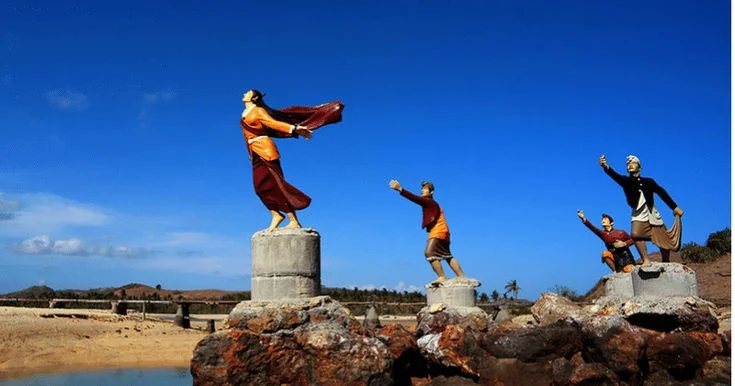
If South Lombok has one cultural story that everyone hears, it’s this one: Princess Mandalika.
The short version:
- A princess is pursued by princes from different kingdoms.
- Conflict grows.
- She chooses sacrifice, and the legend links her story to the appearance of nyale (sea worms) that arrive seasonally.
What is Bau Nyale, really?
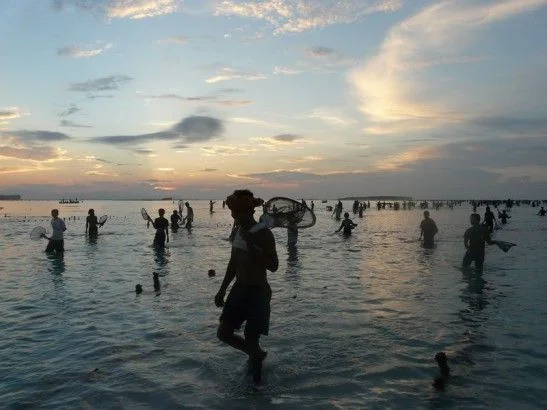
Bau Nyale is a major annual cultural event where people gather (often at night into early morning) to catch nyale along South Lombok beaches, especially around the Mandalika/Kuta area.
It’s not only about the catching. It’s also:
- ritual and tradition
- performances and community gatherings
- cultural arts (like Sasak performances)
If you’re visiting around Feb–March, this is one of the most meaningful cultural moments you can catch in South Lombok (dates vary by Sasak calendar and annual programming).
Living culture: what you can see and experience
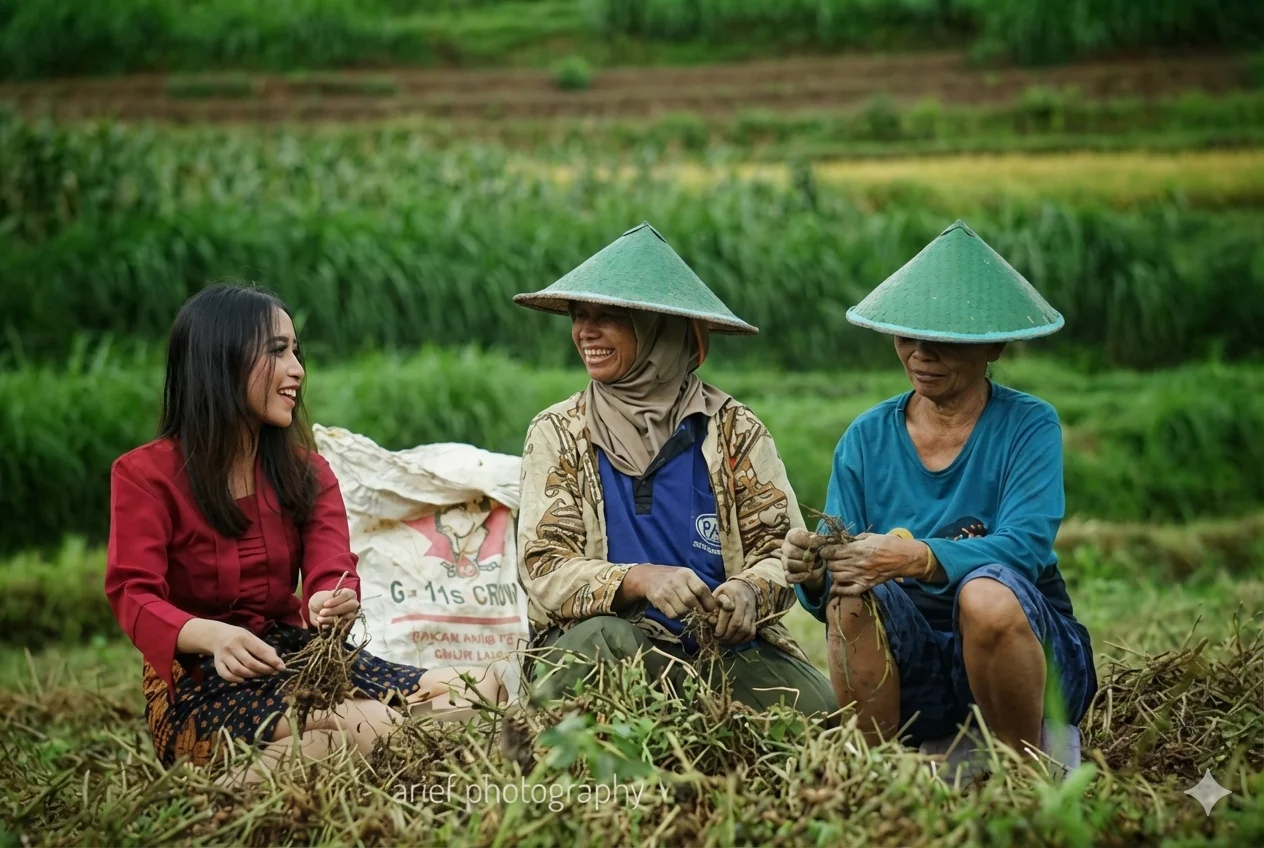
1) Traditional villages (Sade and nearby tourism villages)
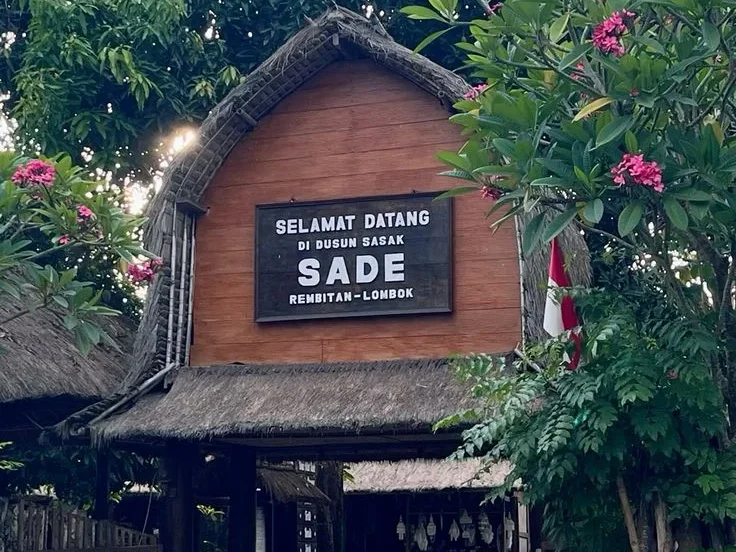
Near the Mandalika area, you can visit Sasak tourism villages like Sade (and often Ende is mentioned too). Indonesia’s official tourism site highlights visiting these villages to see Sasak houses and weaving.
What you’ll typically experience:
- traditional house layouts and materials
- weaving demos
- simple local explanations of daily life
How to do it respectfully
- Don’t treat people like a “museum exhibit.”
- Ask before photographing close-up.
- If you want to support locals, buy a small item directly (woven goods are the most common).
2) Weaving: the craft South Lombok is proud of

Weaving is one of the strongest cultural “exports” from Central/South Lombok.
Sukarara is widely known as a weaving village (songket weaving is the headline).
Sade is also described as a center where visitors can see weaving traditions and purchase textiles.
What to look for when buying:
- Ask how it’s made (handwoven vs machine).
- Ask how long it takes.
- Don’t bargain aggressively. If it’s truly handmade, it should feel valuable.
3) Gendang Beleq: the “big drum” music
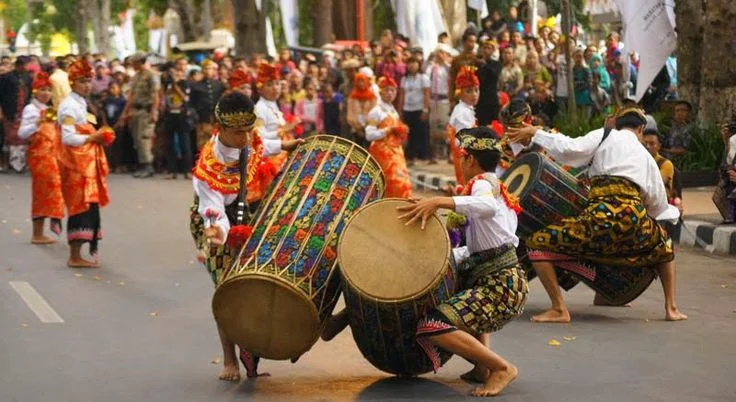
Gendang Beleq is one of Lombok’s most recognizable traditional performances—often seen at ceremonies and cultural events. Indonesia’s official tourism site describes it as a grand traditional music performance rooted in Sasak culture.
Where you might see it:
- weddings
- festivals
- special local events
4) Peresean: stick fighting as performance art
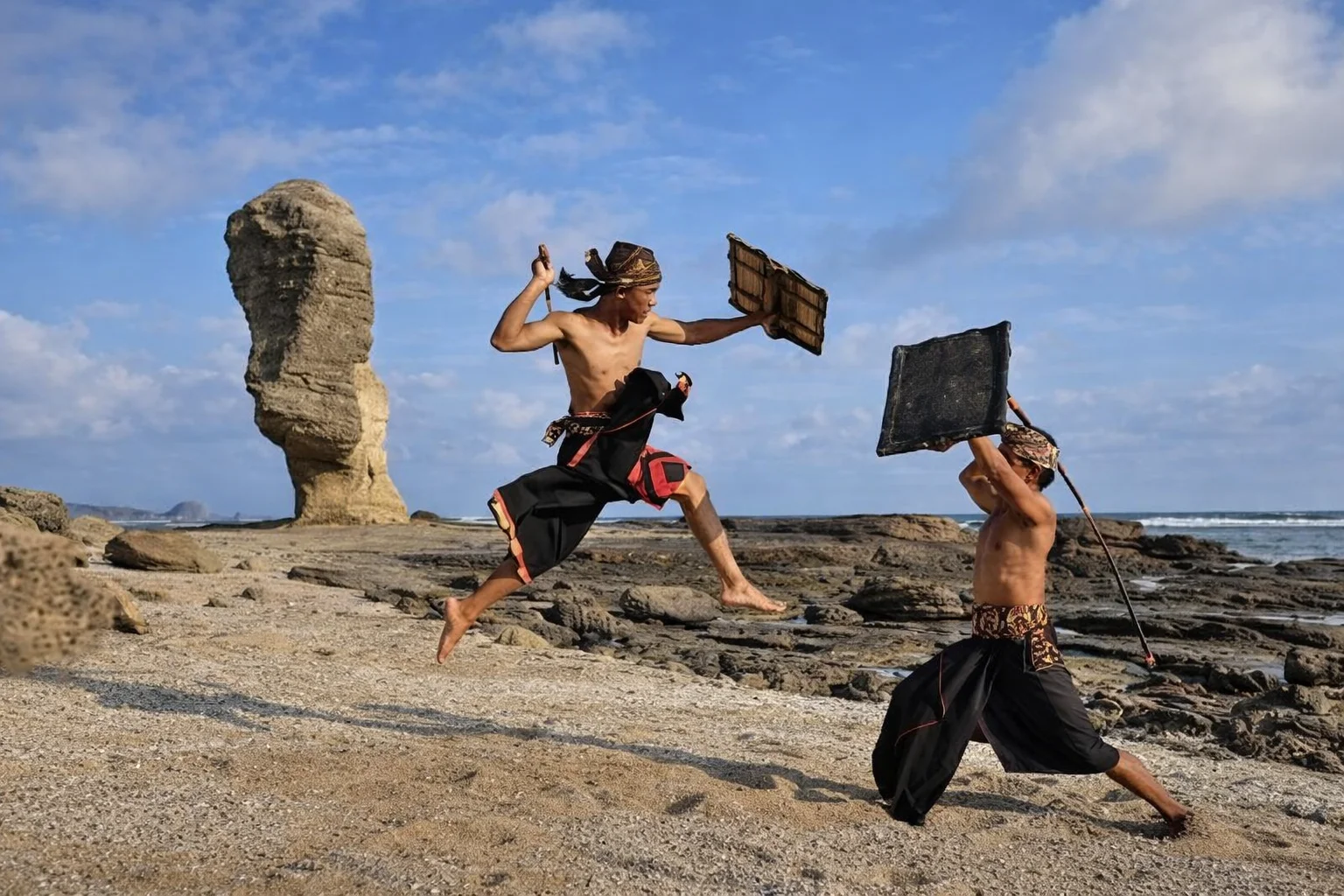
Peresean is a traditional Sasak performance art where two fighters (pepadu) compete using rattan sticks and shields (often buffalo/cowhide).
You’ll sometimes see Peresean featured during festival programming (including around Bau Nyale in some years).
Important: Peresean can look intense. It’s part sport, part ritual tradition, part community spectacle. Watch respectfully.
5) Nyongkolan: wedding processions you might stumble upon
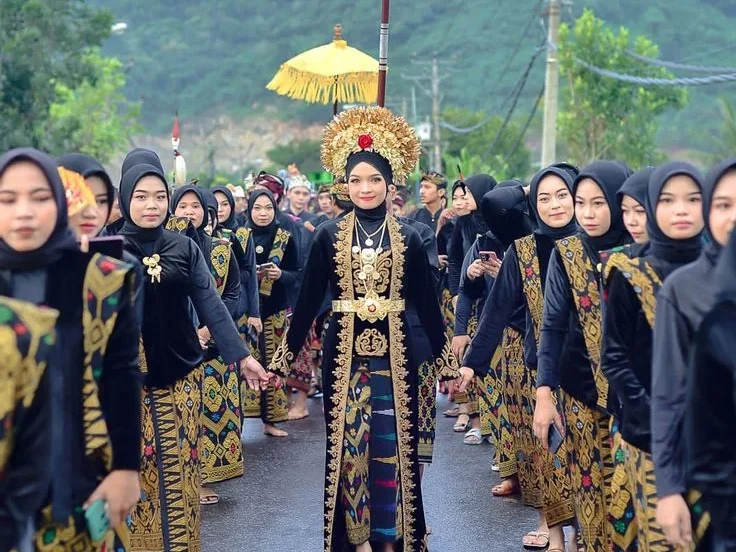
Nyongkolan is a festive part of Sasak wedding traditions: a public procession with music, community participation, and celebration. Academic sources describe it as a key moment in Sasak wedding ceremonies.
If you see one while driving:
- slow down
- don’t cut through the procession
- enjoy it from the side (and don’t film faces up close unless invited)
Religion and tradition in daily life
Most Sasak people are Muslim, and daily life reflects that—prayer times, modesty norms, and community values.
At the same time, Lombok also includes syncretic traditions in some communities (often discussed under terms like Wetu Telu), blending older local customs with Islamic practice.
For visitors, the takeaway is easy:
- dress respectfully away from the beach
- be mindful around ceremonies
- assume local life is not “tourist life,” even if you’re in a tourism area
How to experience culture in South Lombok (without being cringe)
Best “culture day” plan (from Kuta)
- Morning: visit Sukarara weaving village (learn + shop thoughtfully).
- Midday: visit Sade (walk through, learn about houses and weaving).
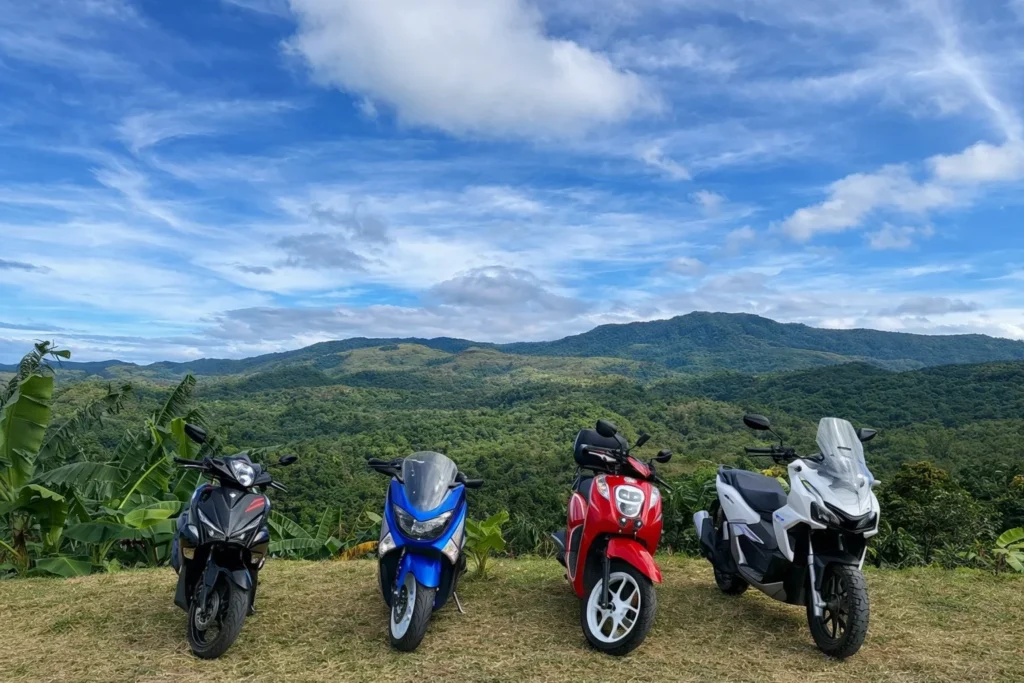
- Afternoon: viewpoint stop near the coast (easy photo moment)
- Evening: local dinner in Kuta (then sleep early)
Best time to see living traditions
- During Bau Nyale week (seasonal festival period).
- When you’re here longer and start noticing local events (weddings, parades, ceremony music)
Cultural etiquette: small things that matter
Do
- Greet people simply and kindly.
- Ask before taking close-up photos.
- Support local crafts by buying directly (if you can).
- Dress modestly when you’re not on the beach.
Don’t
- Walk into private spaces in villages like you own the place.
- Treat ceremonies like a “free show.”
- Bargain aggressively on handmade goods.
FAQ: History and culture of South Lombok
What culture is South Lombok known for?
South Lombok is strongly connected to Sasak traditions, including weaving villages, ceremonial music (Gendang Beleq), and festivals like Bau Nyale around Mandalika.
What is Bau Nyale in Lombok?
Bau Nyale is an annual cultural festival linked to the Mandalika legend and the appearance of nyale sea worms along South Lombok beaches (often around Seger Beach/Kuta Mandalika).
Was Lombok controlled by Bali?
Yes. Britannica explains that Lombok was under Balinese control and that Dutch intervention in 1894 ended Balinese rule and led to direct Dutch control.
What is Mandalika and why is it important?
Mandalika is a Tourism Special Economic Zone established under Government Regulation No. 52 of 2014 and developed by ITDC, driving major infrastructure and tourism growth in South Lombok.
Final thoughts
South Lombok’s culture isn’t something you visit once and “check off.” It’s woven into daily life heard in music, carried through ceremonies, and practiced quietly in villages that sit just beyond the beaches.
If you take a little time to look past the coastline, you’ll understand why this region feels different. Travel slowly, stay curious, and be respectful. The more gently you approach South Lombok’s culture, the more it opens up.