Beyond its beaches, the island’s greatest treasure is its people, and Sasak culture is what gives Lombok its distinct soul. The Sasak are the island’s indigenous majority, with a heritage of weaving, unique architecture, music and ceremony. This guide introduces the traditions worth seeking out and understanding.
Experiencing Sasak culture adds real depth to a Lombok trip, turning a beach holiday into a genuine cultural journey.
Who Are the Sasak People?
The Sasak make up the large majority of Lombok’s population and have their own language, customs and predominantly Muslim faith, blended in places with older animist traditions. Their villages, like Sade village, preserve centuries-old ways of life.
Traditional Architecture
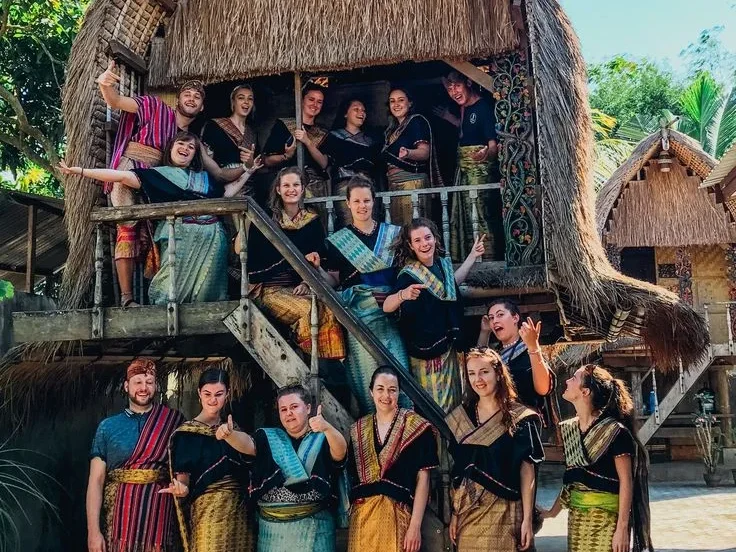
Sasak villages are famous for their bale huts with thatched roofs and rice barns raised on stilts, often with floors polished using natural materials. Wandering these compounds offers a vivid window into traditional island living.
Weaving and Crafts
Weaving is central to Sasak identity, and villages such as Sukarara are renowned for intricate songket cloth. These textiles make meaningful Selong Belanak-worthy keepsakes and support the artisans who create them by hand.
Festivals and Ceremonies
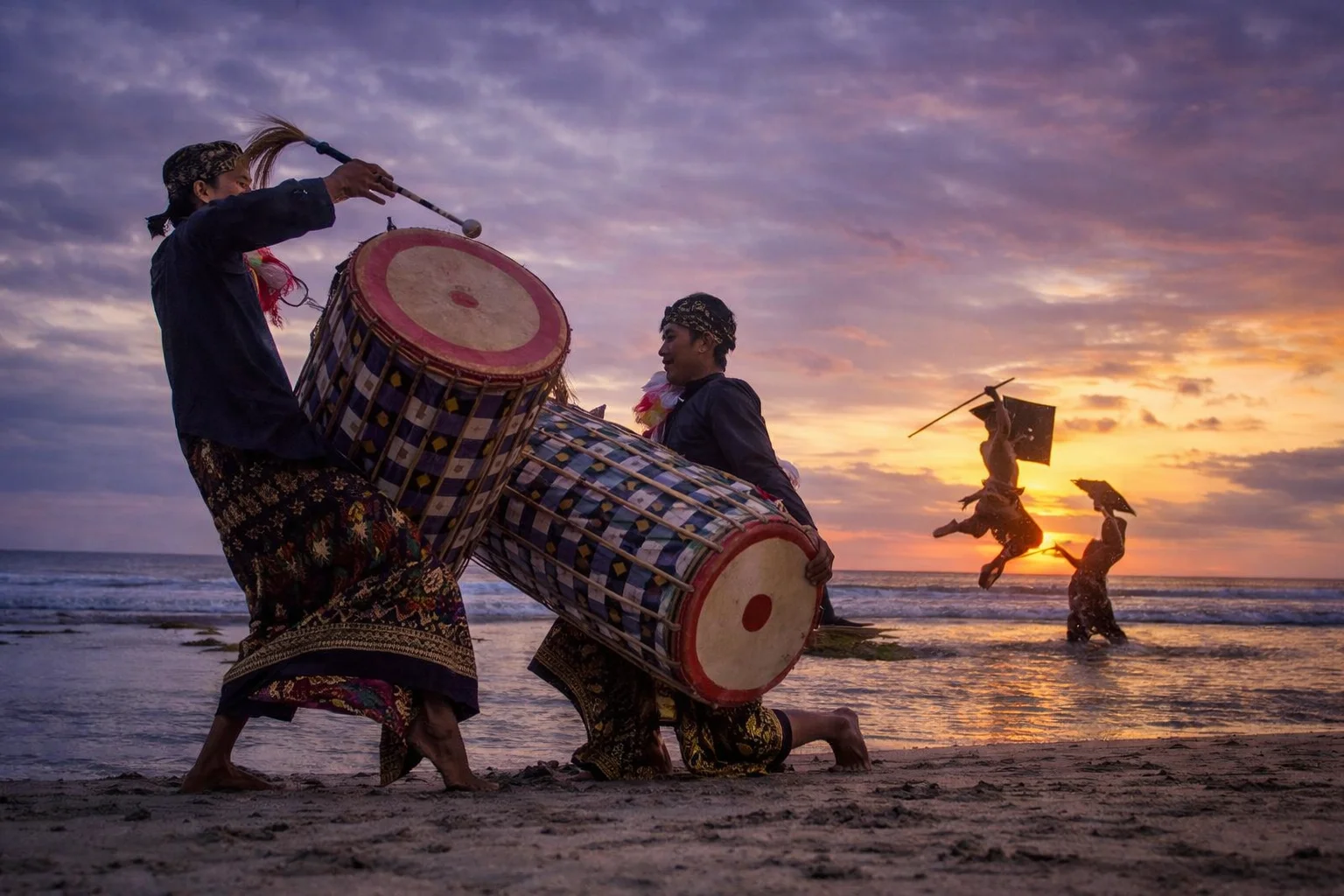
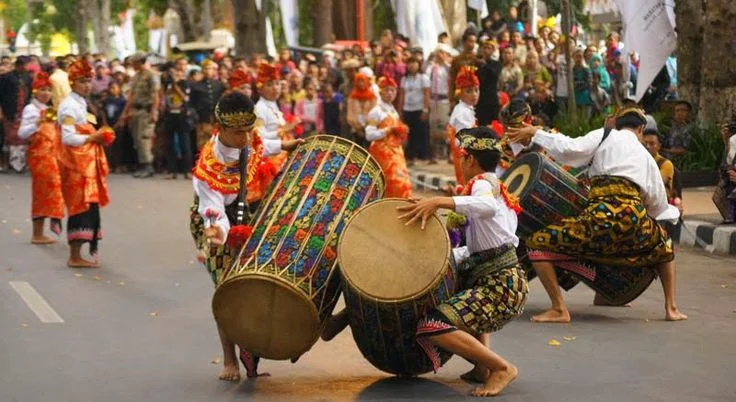
The colourful Bau Nyale festival, tied to the legend of Princess Mandalika, sees crowds gather to catch sea worms along the south coast. Traditional Sasak music, dance and the dramatic peresean stick-fighting are also worth witnessing.
How to Experience Sasak Culture Respectfully
Visit villages with a local guide, dress modestly, ask before photographing people, and buy directly from artisans. A little courtesy goes a long way, as our what to eat and local etiquette notes explain.
Frequently Asked Questions
Who are the Sasak people of Lombok?
The Sasak are Lombok’s indigenous majority, with their own language, crafts and traditions that shape everyday life across the island.
Where can I experience Sasak culture?
Traditional villages such as Sade and Sukarara offer the most authentic and accessible introduction to Sasak architecture and weaving.
What is the Bau Nyale festival?
Bau Nyale is a beloved annual event where locals gather to catch sea worms, rooted in the legend of Princess Mandalika.
Sasak Food and Daily Life
Food is a wonderful window into Sasak life. The cuisine is famously fiery, with ayam taliwang (grilled chilli chicken) and plecing kangkung (water spinach in spicy sambal) among the signatures. Rice farming shapes the rhythm of village days, and communal gotong royong, the spirit of working together, remains strong. Many families still practise traditional crafts alongside modern jobs, and hospitality toward visitors is genuine. Taking time to share a meal, learn a greeting, or simply sit and chat reveals a warmth that no beach or viewpoint can match.
Final Thoughts
Taking time to appreciate Sasak culture transforms a Lombok holiday into something richer and more memorable. Visit the villages, support the artisans and travel with respect. Learn more about the Sasak people before you explore.